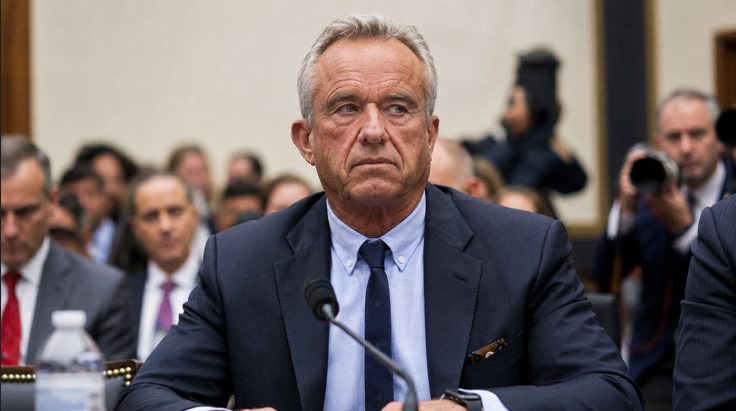
Calls for Health and Human Services Secretary Robert F. Kennedy Jr. to leave office are growing as lawmakers, doctors, former health officials, and medical organizations increasingly challenge the direction of federal health policy under his leadership. The criticism is no longer focused on one controversial statement or one isolated decision. Instead, opponents argue that a broader pattern involving vaccines, CDC leadership, scientific advisers, and public-health messaging has damaged confidence in institutions that Americans depend on during outbreaks and medical emergencies. (AP News)
One of the biggest flashpoints has been Kennedy’s effort to reshape federal vaccine policy. He removed all 17 members of the CDC’s influential Advisory Committee on Immunization Practices and replaced them with new appointees, while also backing changes that reduced the number of vaccines routinely recommended for children. Major medical groups challenged those moves in court, arguing that they bypassed established scientific processes and could put public health at risk. (Reuters)
A federal judge later blocked major parts of Kennedy’s vaccine agenda, ruling that the administration likely violated required procedures when altering recommendations and restructuring the advisory panel. The decision halted several changes and temporarily stopped the reconstituted committee from operating. That ruling became especially significant because critics had already warned that the department was moving too quickly on decisions traditionally guided by independent scientific review. (Reuters)
Leadership turmoil at the CDC has added to the pressure. Former CDC Director Susan Monarez said she was removed after refusing to preapprove vaccine recommendations from Kennedy’s handpicked advisers without first reviewing the scientific evidence. Kennedy disputes her account, but the episode triggered concern in Congress about whether senior health officials can operate independently when their conclusions conflict with the secretary’s preferences. The Senate’s recent confirmation hearings for a new CDC director repeatedly returned to the same question: would the agency be allowed to follow science even if Kennedy disagreed? (CNN Transcripts)
The public-health backdrop has made those disputes more urgent. The United States has experienced a major resurgence of measles, with cases reaching levels not seen in decades. Democrats have directly connected that outbreak to Kennedy’s approach and have begun publicly calling for President Trump to remove him. Kennedy and his defenders reject the accusation that his policies caused the resurgence and argue that he is trying to restore transparency and challenge institutions that lost public trust during the pandemic. (CNN Transcripts)
That debate over trust may be Kennedy’s biggest political vulnerability. He entered office promising to rebuild confidence in federal health agencies, but polling and reporting suggest trust has instead weakened among significant parts of the public. Medical professionals have complained that changing guidance and repeated disputes over vaccines are creating confusion for doctors and parents. Several states and health systems have even begun developing their own evidence-based recommendations rather than relying entirely on Washington. (AP News)
Kennedy still has defenders, including Republicans who say he is doing exactly what Trump appointed him to do: challenge entrenched health bureaucracies, scrutinize pharmaceutical influence, and reopen scientific questions they believe were dismissed too quickly. Supporters argue that disagreement with established institutions should not automatically be treated as hostility to science. They also note that cabinet secretaries do not have to be physicians or researchers themselves; their responsibility is to manage agencies and weigh competing evidence.
But the growing calls for Kennedy’s removal reflect a deeper concern about whether that management is strengthening or destabilizing the nation’s health system. Courts have blocked key initiatives, senior officials have resigned or been dismissed after scientific disputes, medical organizations have sued the department, and lawmakers are openly questioning whether HHS can still operate independently. No single controversy determines whether Kennedy should remain in office, but taken together they explain why pressure around his position is becoming increasingly difficult for the administration to ignore. (Reuters)